
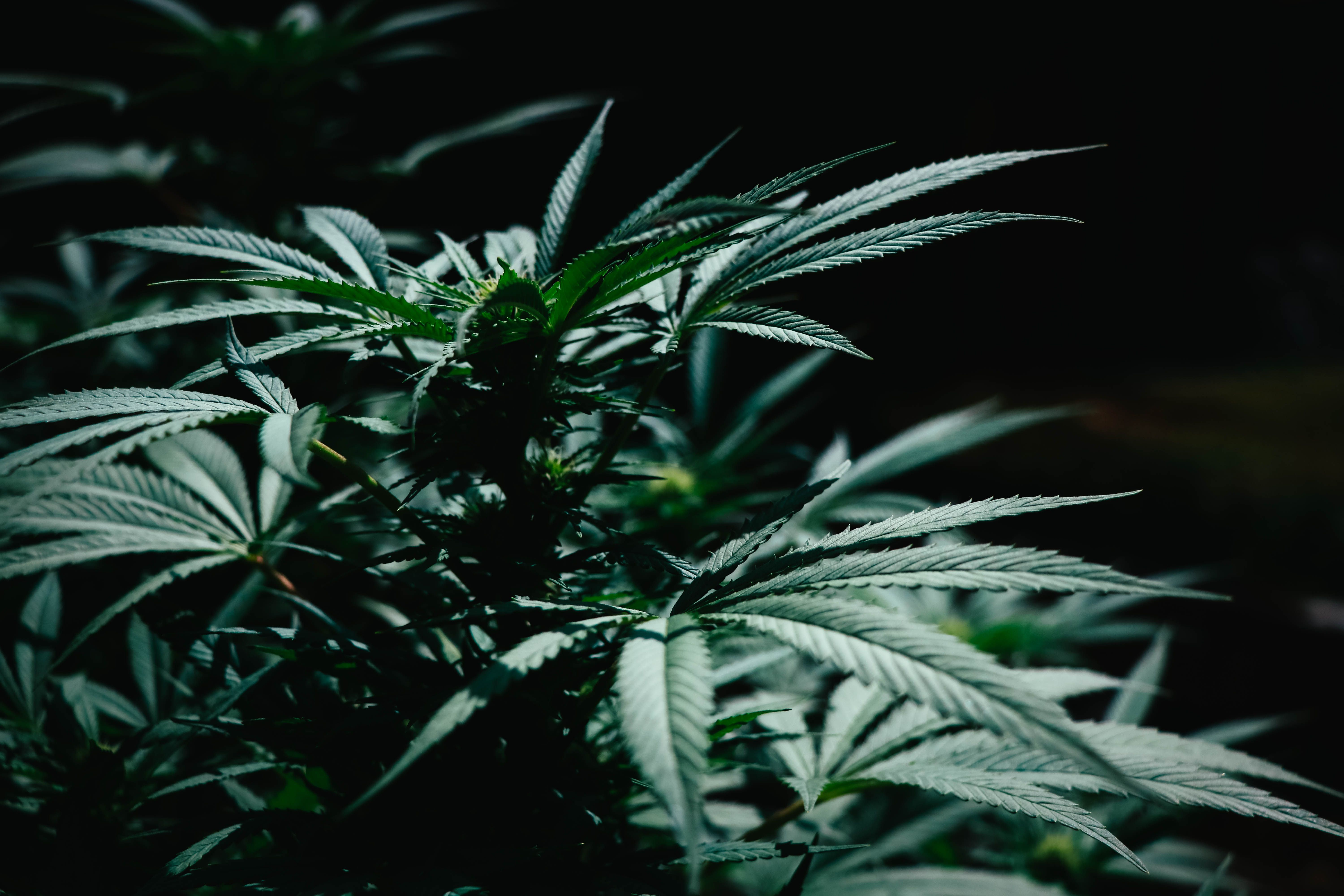
**Historical use is not proof of medical efficacy. This feature is for educational purposes only.
I’ve always been curious about cannabis’s rich cultural history, so I thought it would be a great debut article for the apothecary department. In different societies, people used cannabis for everything from medicine and ceremonies to recreation. Today, modern neuroscience gives us another way to look at these ancient traditions, showing how cannabinoids interact with systems in the human body. According to researchers Mack and Joy, people have been using cannabis since around 2700 B.C.E., with the earliest recorded use in China. During the reign of Emperor Chen Nung, cannabis was used to make medicinal teas. This feature takes a closer look at the plant’s many uses and how it eventually became notorious and federally criminalized.
If the Phoenix was a Plant
Prior to cannabis appearing on dispensary shelves, entering pharmaceutical industries, or becoming the subject of political debate, ancient peoples cultivated, prepared, and consumed the plant. Historical records document its use in parts of Asia, Africa, and West Asia, although its preparations, rationale, and cultural meanings differed considerably. We can say that this plant is like a phoenix, it burns and fades, and rises again from its ashes— a plant that transcends time.
The marijuana plant is native to central Asia and eastern asian regions. Cannabis appears in traditional medical literature, where preparations of the plant were associated with the treatment of various ailments. For example, its leaves and resin would be made into poultices to be applied to the body for pain management.
Archaeologists discovered wooden braziers and burned cannabis leaves with high THC levels inside elite tombs in the Pamir Mountains (Jirzankal cemetery), where mourners inhaled the psychoactive fumes in enclosed spaces. I call this an archaic hot-box.
In India, cannabis became incorporated into certain Ayurvedic preparations and religious traditions. According to the BBC, bhang is a paste made from the young leaves of the female Cannabis sativa plant that is mixed into a milk-based drink. Today, it is often enjoyed during Holi, the festival of colors. It has a long cultural history, including deep associations with Hindu religious observances honoring Shiva, the god of destruction and rebirth.
Ancient Egyptians cultivated cannabis for its fibers to make rope, textiles and other goods. They also used their seeds for medicinal uses.
For some communities, healing means more than treating the body. In holistic and Indigenous health practices, illness is seen as an imbalance between the body, mind, spirit, and environment. Medicinal herbs like cannabis were sacred and used to support spiritual healing.
The SMART THERMOSTAT
Let’s get on the magic school bus. I’ll be Miss Frizzle, and today, we are shrinking down to the molecular level. Most of us have encountered the central nervous system (CNS), which consists of the brain and spinal cord, and the peripheral nervous system (PNS), which connects the CNS with the rest of the body.
We may also be familiar with the endocrine system, which uses hormones to coordinate numerous bodily functions and keep us in balance.
But another biological signaling network will be highlighted today: the endocannabinoid system, or ECS. The ECS participates in regulating several physiological processes, including pain signaling, appetite, memory, stress responses, and aspects of immune function.
Its major components include naturally occurring signaling molecules called endocannabinoids, the receptors they interact with, and enzymes that synthesize and break down those molecules. Think of the ECS as part of the body’s smart thermostat.
A thermostat helps maintain comfortable conditions by responding to changes in its environment. Similarly, the ECS participates in regulatory processes that help the body respond to changing internal conditions.
However, unlike a household thermostat, the ECS does not maintain one universal setting. Its actions depend on the tissues, cells, and signaling pathways involved.

Two notable receptors are CB1 and CB2.
CB1 receptors are abundant in the central nervous system, where they help regulate communication between nerve cells.
CB2 receptors are especially associated with immune cells and immune signaling, although both receptor types occur in multiple tissues.
Their activation can influence inflammatory and immune responses, but this does not mean they automatically switch off inflammation or eliminate pain.
*Enter cannabis stage left*
Containing compounds called phytocannabinoids, these cannabis components are called, tetrahydrocannabinol (THC) and cannabidiol (CBD). THC is responsible for the “high” many of us are familiar with.
It acts on cannabinoid receptors, particularly CB1, altering neurotransmitter signaling in ways that can affect memory, mood, appetite, sensory perception, and coordination.
Returning to our thermostat analogy, THC does not trick the brain into believing it is overheating. Instead, it interacts with receptors that ordinarily respond to the body’s own signaling molecules, changing how certain neural circuits communicate. This helps explain why someone who has consumed THC might forget what they were saying mid-sentence or struggle to remember information they just learned. THC can also change how pain is perceived, although that doesn’t necessarily mean the underlying cause of the pain has been treated.
In contrast, CBD, is generally considered non-intoxicating. Rather than producing the same direct CB1 receptor activity as THC, CBD interacts with several molecular targets and can influence different signaling pathways. One of its best-established medical applications is reducing seizures in certain forms of epilepsy, where purified prescription CBD has demonstrated effectiveness in clinical trials. Researchers are still investigating the precise mechanisms behind these effects, which involve more than simply activating cannabinoid receptors.
The ECS also operates within peripheral tissues and interacts with other physiological systems, including the endocrine system. Ever wondered why cannabis gives people the munchies? The endocannabinoid system helps regulate appetite and food reward. When THC activates CB1 receptors in the brain, it can stimulate hunger and make food seem more pleasurable. That explains why someone might suddenly find themselves rummaging through the pantry, convinced that a bag of chips is the greatest culinary invention in human history.
Today, neuroscience helps explain why cannabis can alter perception and bodily experience. However, this identification does not establish that a substance is an effective treatment for every condition it might influence. Thank you for joining us on the magic school bus!
Smoke, Salves, and Tinctures, Horseshoes and Blue Moons…
From ceremonial fires to colorful packaging, people have gotten rather creative with cannabis. We’ve burned it, brewed it, swallowed it, rubbed it onto our skin, and eventually figured out how to package it into something resembling a gummy bear. Our apothecary has evolved, but the plant’s effects still depend on its chemistry and how it enters the body.
Consider the ancient practice of burning cannabis during funerary ceremonies in the Pamir Mountains. Today, inhalation remains a familiar method, although joints and vapes have largely replaced ceremonial braziers. Inhaled THC can reach the brain within minutes, but smoking exposes the lungs to harmful combustion products. Vaping avoids combustion, although it carries risks of its own.
Then there’s the culinary evolution. India’s traditional bhang, consumed in certain religious celebrations, finds a distant modern parallel in cannabis-infused brownies, chocolates, and gummies. Unlike inhalation, swallowed THC travels through the digestive system and liver, where some is converted into the psychoactive metabolite 11-hydroxy-THC. The result? A slower onset, potentially longer-lasting effects, and the occasional unfortunate decision to eat another brownie before the first one kicks in.


The apothecary has undergone its own transformation. Historical medicinal preparations have their modern counterparts in tinctures, oils, salves, and creams. Yet these products aren’t interchangeable. Tinctures may be absorbed through the mouth or swallowed, while topical cannabinoids must penetrate the skin to reach their intended targets. Evidence supporting many topical pain-relief claims remains limited.
And let’s not forget what’s inside these modern concoctions. THC-rich products are generally more intoxicating and can increase anxiety or impair coordination, while CBD-dominant preparations typically produce less intoxication but can still cause adverse effects and medication interactions. Even the fashionable 1:1 THC-to-CBD ratio isn’t a universal recipe for relief. From sacred smoke to recreational gummies, we’ve reinvented cannabis consumption countless times.
The Criminalized Cure & A Colonized Medicine
The modern history of cannabis is inseparable from questions of political power, cultural identity, and the regulation of substances.
In the United States, the prep and use of marijuana were included in nineteenth-century medical practice and appeared in pharmaceutical references, including the United States Pharmacopeia.
Yet during the twentieth century, cannabis became increasingly associated with criminalization and social stigma. To put it bluntly, its use is older than law.
The Marijuana Tax Act of 1937 introduced major federal restrictions, while later drug-control policies reinforced prohibition.

Anti-cannabis campaigns frequently drew upon racialized narratives, like those targeting Latino immigrants and Black communities. Public attitudes toward cannabis became entangled with anxieties about immigration, race, morality, and social control.
Lawmakers criminalized cannabis, spent decades punishing people for possessing it, and then began legalizing it. Its chemical properties did not suddenly change, its the same plant, just legal again and with commercial value. Meanwhile, Black and Brown communities, disproportionately targeted by the War on Drugs, continue to bear the consequences. Some people remain incarcerated for cannabis-related offenses even as others legally profit from its sale. Apparently, the law can evolve faster than justice can catch up. But perhaps we’re not ready for that conversation.
In numerous American states, adults can legally purchase cannabis for recreational purposes under state law. Meanwhile, commercial markets promote products for relaxation, sleep, pain, creativity, and general well-being.
Some claims have legitimate scientific research. Others are based on vibes alone.
This creates a historical reversal: a plant presented as a public menace can now be marketed as a lifestyle accessory, a wellness product, or a medical intervention.
Let’s make note of this: legalization does not equal medical validation, just as criminalization is not evidence that a substance does not have therapeutic value or social tradition.

A question we can ask ourselves is how political institutions, commercial interests, cultural traditions, and scientific research influence what society considers legitimate.
Ethical Considerations
Modern research has identified therapeutic applications for certain cannabinoid-based medicines.
For example, prescription cannabinoid medicines are used for chemotherapy-related nausea and vomiting or appetite loss associated with HIV/AIDS.
Additionally, research shows that anxiety and stress present challenges. Individuals report feeling calmer after consuming cannabis. Yet THC can increase anxiety at higher doses, and subjective relaxation does not necessarily translate into effective treatment for a diagnosed anxiety disorder for all.
Similarly, people with attention-deficit/hyperactivity disorder (ADHD) sometimes report using cannabis to manage restlessness, sleep difficulties, or emotional discomfort. And yet, research shows that individuals with ADHD—including those who are undiagnosed or untreated—frequently report using marijuana to self-medicate core symptoms and co-occurring distress. Clinical evidence does not support effective treatment.
A person’s experience of relief deserves consideration, but an individual experience cannot establish causation, long-term safety, or clinical effectiveness. These distinctions are a call to study cannabis more carefully.
The scientific task is to investigate those possibilities through appropriately designed research by means of the scientific method.
ancestral Healing
Cannabis has been interpreted through different systems of knowledge. Examples include, traditional chinese medicine (TCM), The scientific method (modern science) and Indigenous Knowledge Systems (IKS).
Traditional healers approached the plant within cultural practices shaped by collective experience, learned rituals, and relationships between people and their environments.
In a recent study, archaeologists found that cannabis was used as a form of burial rituals by the Scythian peoples of what is now Siberia. More than 1,000 cannabis seeds and and high THC levels in human hair were found in tombs.
A ritual may foster belonging, reinforce communal identity, or provide a meaningful framework for confronting suffering. In J.R.R. Tolkien’s Middle-earth, hobbits enjoy their beloved pipe-weed, gathering around warm hearths and sharing stories, laughter, and the occasional song. Although Tolkien’s pipe-weed is associated with tobacco rather than cannabis, the imagery offers a familiar glimpse into the communal rituals surrounding plants.

Likewise, understanding cannabinoid receptors tells us something important about how cannabis interacts with our body, but it cannot independently explain why a community incorporates that plant into a traditions of ceremony or healing. History reveals how deeply our understanding of healing is shaped by the intersection of biology, culture, and power. It is up to us, to stay inquisitive and keep those traditions alive.
If cannabis has been regarded as medicine, condemned as a drug, and marketed as wellness, how much of its identity comes from the plant itself, and how much comes from the societies interpreting it? Let me know below.
Featured Image: Elsa Olofsson
Leave a Reply